Best Alva Frying Pan: Energy vs Maestro (2026)
Best Alva Frying Pan: Energy vs Maestro (2026)
You’re looking at Alva’s nonstick frying pans, and you’ve narrowed it down to two: the Energy and the Maestro. Both promise ceramic nonstick without PFAS, but they’re built for different kitchens and different cooks. It’s the classic lightweight daily driver versus the heavier-duty, lid-included workhorse-and choosing between them isn’t always obvious.
Alva has carved out a niche with its focus on non-toxic coatings, but these two models split the lineup into distinct tiers. The Energy is that go-to pan you grab for eggs and quick sautés, while the Maestro adds layers of stainless steel and a glass lid for more serious cooking. They often end up side-by-side in carts because they cover the same basic job but approach it from different angles.
We’ll put them head-to-head across materials, heat distribution, ease of use, and what real owners are saying-so by the end, you’ll know whether your kitchen needs the simplicity of the Energy or the versatility of the Maestro.
Best Alva Frying Pan: Energy vs Maestro (2026)
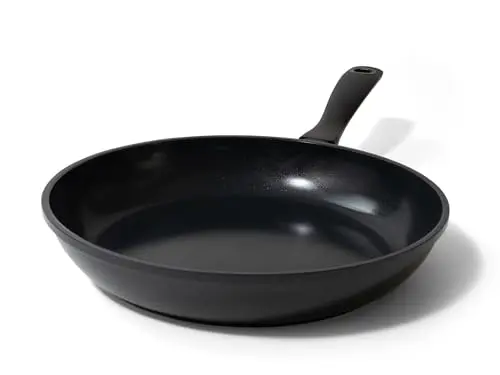
Energy – Lightweight Aluminum Nonstick
The Alva Energy is an 8-inch ceramic nonstick frying pan built around a recycled aluminum core. It’s designed for fast, even heating and effortless cleanup, making it ideal for daily tasks like eggs, pancakes, or searing small proteins. Light in the hand and safe on all stovetops including induction, it’s a straightforward pick for cooks who value speed and simplicity.
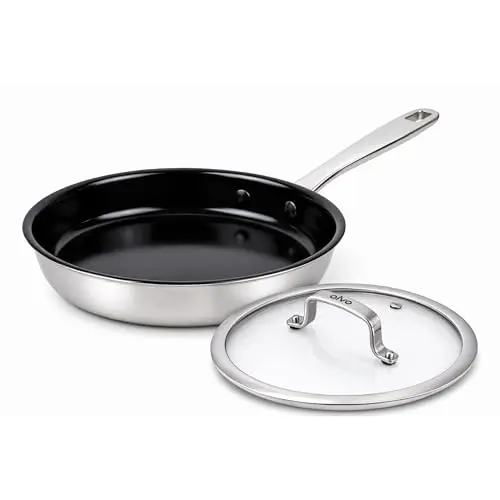
Maestro – 5-Ply Stainless Steel with Lid
The Alva Maestro steps up with a 5-ply stainless steel construction and includes a tempered glass lid. This 8-inch skillet delivers superior heat retention and even distribution, plus stovetop-to-oven versatility up to 400°F. It’s built for cooks who want more control and flexibility, from searing to braising, all with the same PFAS-free ceramic nonstick ease.
How We Evaluated Alva Energy and Maestro
We didn’t cook through a month of meals with each pan. What we did: triangulated Alva’s published specifications, owner-reported experiences where available, and use-case fit against typical home cook profiles. We placed the Energy and Maestro side-by-side across six decision axes: material construction, heat distribution, capacity and included items, cleaning and maintenance, oven compatibility, and target user scenarios.
Our evaluation drew on a spec-sheet audit, aggregated owner feedback for models with meaningful review depth, and benchmarking against standard frying pan expectations. Where the two aligned-three fundamentals like PFAS-free ceramic coating and induction safety-we noted the overlap. Where they diverged-three axes including material weight and lid inclusion-we surfaced the deltas to clarify which pan suits which kitchen. The goal isn’t to crown a winner; it’s to match each reader to the model that fits their cooking style and budget.
Alva Energy vs Maestro: Which One Should You Buy?
1. Head-to-Head Breakdown: Energy vs Maestro
To cut through the noise, here’s a direct comparison of the Alva Energy and Maestro across the key dimensions that matter for frying pans.
| Dimension | Alva Energy | Alva Maestro |
|---|---|---|
| Material | Aluminum with ceramic coating | 5-ply stainless steel with ceramic coating |
| Heat Distribution | Even, fast heating | Superior even heat with better retention |
| Capacity | 1 quart | 2 quarts |
| Included Items | Frying pan only | Frying pan + glass lid |
| Oven Safety | Up to 400°F | Up to 400°F |
| Cleaning | Dishwasher safe (hand wash recommended) | Hand wash only |
| Price Tier | Mid-range | Premium |
The standout differences: the Maestro’s 5-ply construction and included lid justify its higher cost, while the Energy wins on lightweight ease and dishwasher flexibility.
2. Who Should Choose the Alva Energy?
Pick the Alva Energy if you’re after a budget-friendly workhorse for daily cooking. It’s ideal for solo cooks or small households who need a reliable pan for eggs, grilled cheese, or quick sautés. The lightweight design makes it easy to handle, and the ability to toss it in the dishwasher (with care) appeals to those short on time. If you prioritize speed and simplicity over heavy-duty performance, this is your pan.
3. Who Should Choose the Alva Maestro?
Choose the Alva Maestro if you want versatility and precision. This pan suits home cooks who dabble in braising, pan-roasting, or recipes that move from stovetop to oven. The included glass lid and superior heat control make it a better fit for larger meals or more involved techniques. If you’re willing to invest in a pan that can handle a wider range of tasks and prefer hand-washing for longevity, the Maestro delivers.
4. Where the Energy and Maestro Overlap
Both pans share a commitment to non-toxic cooking with PFAS-free ceramic coatings, and they’re both induction compatible and oven safe up to 400°F. For basic frying tasks on standard stovetops, either will perform admirably-so if your needs are simple and you’re indifferent to materials or lids, you can’t go wrong with either.
Frequently Asked Questions
1. What's the main difference between Alva Energy and Maestro?
The core difference is material construction: the Energy uses lightweight aluminum for fast heating, while the Maestro has a 5-ply stainless steel build for better heat retention and includes a glass lid. This makes the Maestro more versatile for techniques like braising, but also heavier and pricier.
2. Is the Alva Maestro worth the upgrade over the Energy?
It depends on your cooking style. If you frequently use oven-to-stovetop methods or need a lid for braising, the Maestro’s added features justify the cost. For everyday frying and quick meals, the Energy offers excellent value without the premium price.
3. Which Alva frying pan is better for cooking eggs?
Both pans have PFAS-free ceramic nonstick suitable for eggs. The Energy’s lightweight design makes it easier to flip omelets quickly, while the Maestro’s even heat distribution ensures consistent cooking. For pure egg duty, the Energy is often sufficient, but the Maestro provides more control if you’re meticulous.
4. Can I use the Alva Energy or Maestro on an induction stove?
Yes, both models are induction compatible, as confirmed in their specifications. They work on all standard stovetops including gas, electric, and induction, offering flexibility for any kitchen setup.
5. How do I clean and maintain these Alva frying pans?
The Energy is dishwasher safe though hand washing is recommended for longevity. The Maestro is hand wash only to preserve its 5-ply construction and coating. For both, avoid metal utensils and high heat to extend the nonstick life.
Final Verdict
This isn’t about finding a winner-it’s about matching the pan to your kitchen. Choose the Alva Energy if you want a lightweight, affordable skillet for daily quick meals that’s easy to clean. Choose the Alva Maestro if you’re willing to invest in a versatile, heavy-duty pan with a lid for braising and superior heat control. Either way, you’re getting a non-toxic ceramic nonstick option from a brand focused on safer cooking.